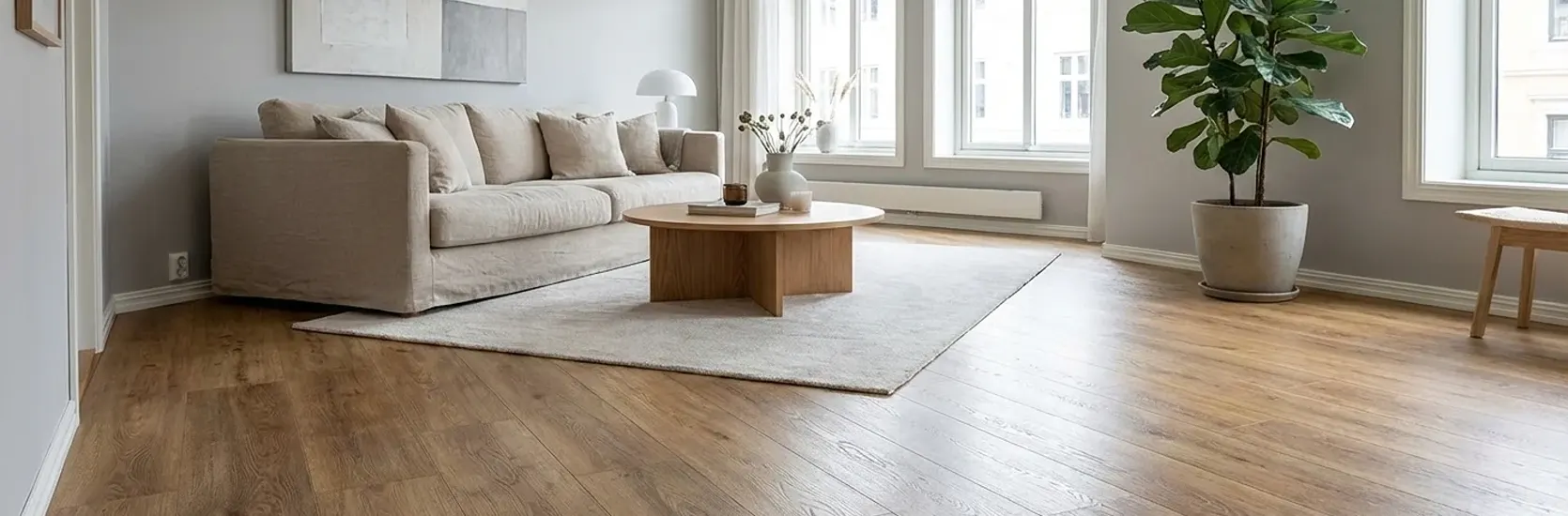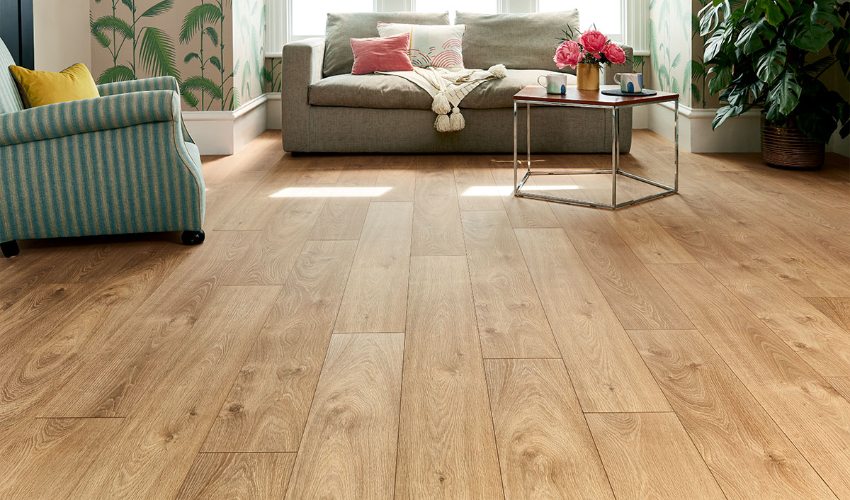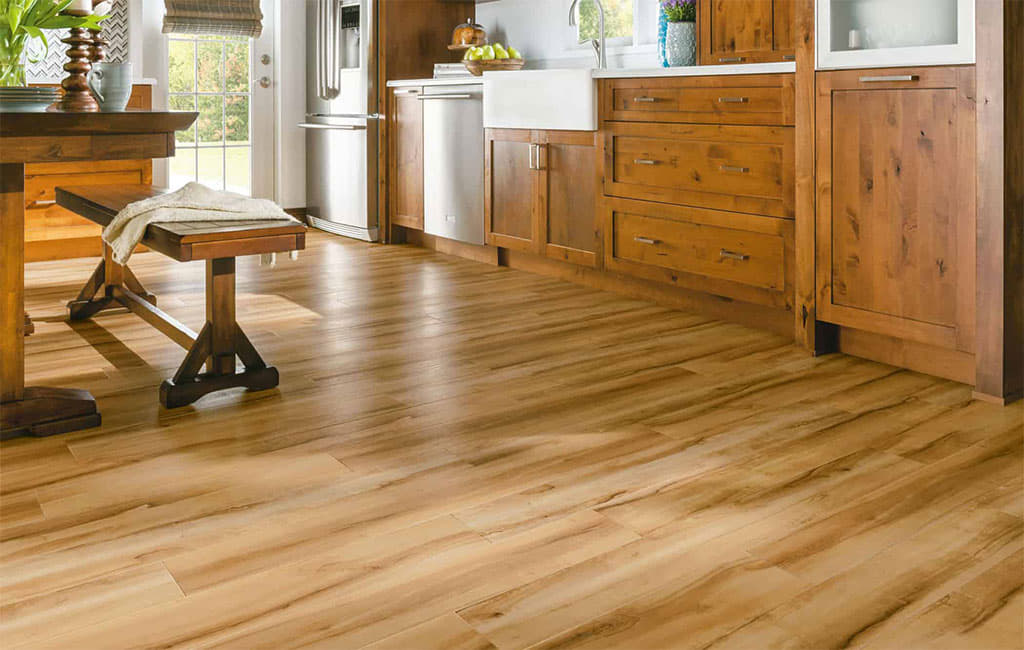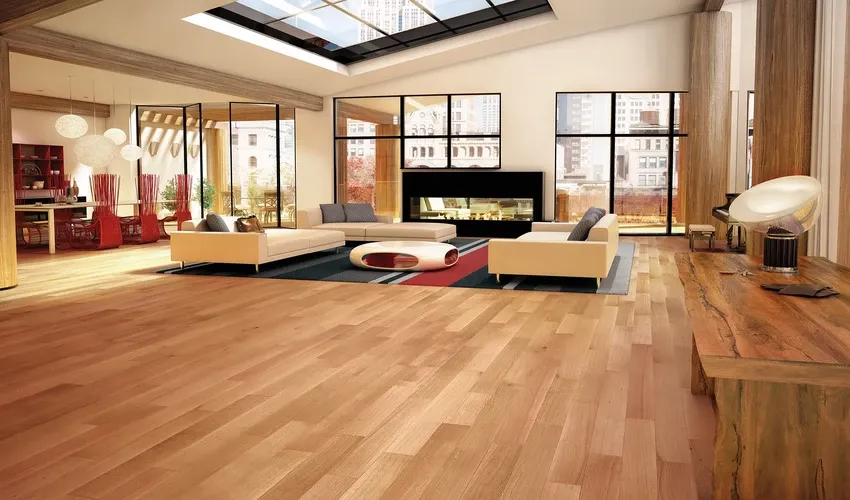
When choosing a new floor, SPC and laminate often appear on the same shortlist. Both offer wood-inspired designs, practical installation systems, and options for residential and commercial spaces. However, they differ in construction, water resistance, comfort, maintenance, and overall performance.
Understanding the difference between SPC and laminate flooring helps you choose a floor based on your room, lifestyle, and budget.
This guide compares SPC flooring vs laminate across the factors that matter most, including durability, water resistance, appearance, installation, maintenance, lifespan, comfort, and cost.
What Is SPC Flooring?
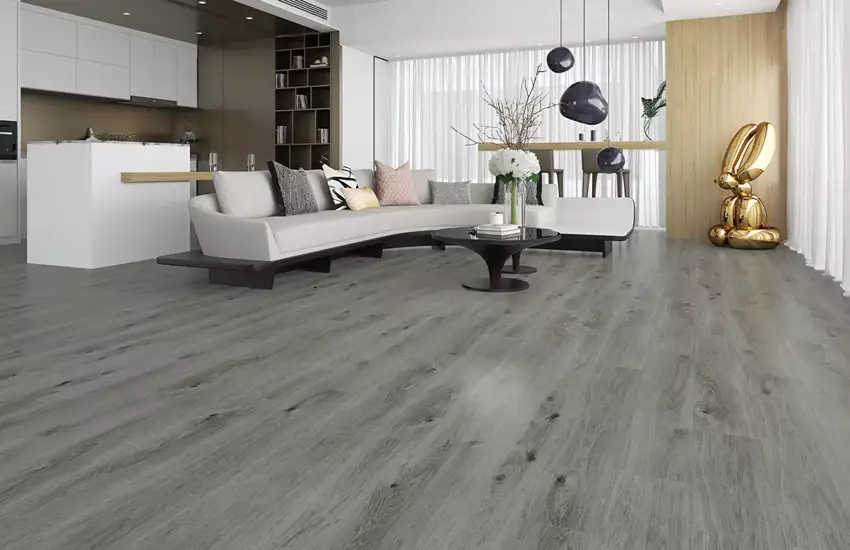
SPC stands for Stone Plastic Composite. SPC flooring features a rigid core designed to provide dimensional stability and a firm feel underfoot. It often includes a decorative layer that gives the floor a wood or stone appearance.
SPC flooring is available in different colours, textures, plank sizes, and patterns. Modern designs include wood-look planks, stone finishes, herringbone patterns, and parquet styles.
For Dubai homes and commercial spaces, SPC is often considered when water resistance and easy maintenance are important factors.
What Is Laminate Flooring?
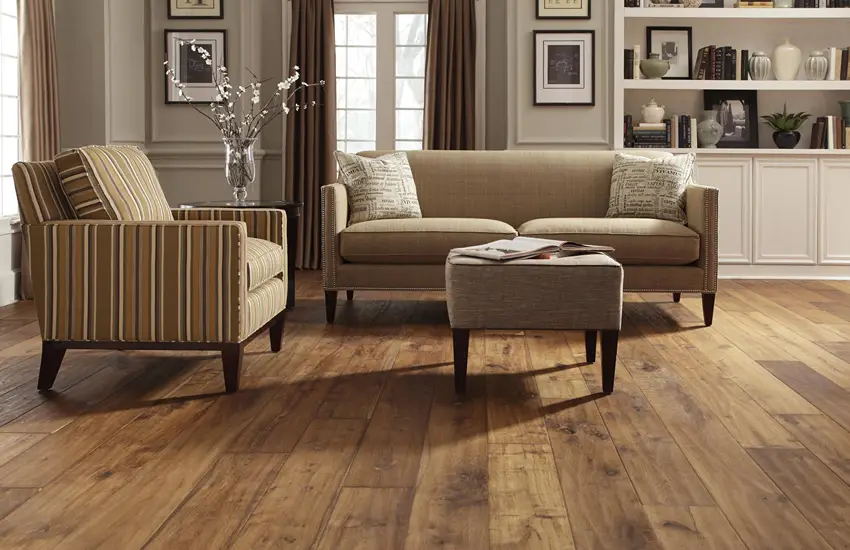
Laminate flooring is a multi-layer flooring product with a decorative surface designed to replicate materials such as natural wood or stone. A high-density fibreboard core forms a major part of its construction.
Laminate flooring comes in many colours, textures, plank designs, and finishes. It provides a wood-style appearance without requiring solid timber throughout the floor.
The performance of laminate varies between products. Specifications such as AC rating, thickness, core construction, surface finish, and warranty should be checked before choosing a product.
SPC Flooring vs Laminate: Key Differences
The main difference between SPC and laminate flooring comes down to their core construction and moisture resistance.
SPC uses a rigid composite core, while laminate generally uses a wood-based fibreboard core. This difference affects how each material responds to moisture, impacts, temperature changes, and everyday use.
Here is a practical comparison:
Water resistance
SPC is the stronger option when moisture exposure is a major concern. Its rigid composite construction provides strong resistance to water when the product is properly installed and the joints are correctly sealed according to the manufacturer’s requirements.
Laminate is more sensitive to moisture because of its wood-based core. Modern laminate products offer improved moisture resistance, but the exact performance depends on the product specification.
For kitchens, entrances, utility areas, and spaces where occasional moisture is a concern, check the manufacturer’s water-resistance rating before choosing either flooring type.
Durability
Both SPC and laminate offer durable flooring options, but their performance depends on product quality and construction.
SPC has a rigid core and a hard-wearing surface layer. This makes it suitable for many residential and commercial applications.
Laminate also offers good everyday durability. AC ratings help buyers compare the abrasion resistance of different laminate products. Higher-rated products are generally intended for more demanding use.
Your expected foot traffic should guide the decision. A busy commercial space requires a different specification from a bedroom with limited daily use.
Appearance
Both SPC and laminate offer realistic designs.
Laminate has been widely used for wood-look flooring and offers a broad selection of timber-inspired colours and textures. SPC has also developed into a highly versatile flooring category, with wood, stone, parquet, herringbone, and other decorative styles.
If appearance is your main concern, compare individual products rather than judging the flooring category as a whole.
Look at the surface texture, plank size, colour variation, pattern, and overall finish. Samples give you a better idea of how the flooring will look beside your walls, furniture, and lighting.
Comfort Underfoot
Comfort is another important factor when comparing SPC vs laminate.
SPC has a rigid core, so it often provides a firmer feel underfoot. Laminate also has a firm surface, although the overall feel depends on the flooring thickness and underlay.
Underlay and subfloor preparation also influence comfort and sound. If you want a quieter or softer feel, check the recommended underlay and installation requirements for the specific product.
Installation
Both SPC and laminate flooring are available with click-lock installation systems.
SPC is often installed as a floating floor, where the planks connect without being permanently fixed to the subfloor. Laminate also commonly uses floating installation.
The subfloor needs proper preparation before installation. It should meet the product requirements for flatness, cleanliness, moisture, and stability.
Professional installation helps ensure correct expansion gaps, plank alignment, transitions, and finishing details. If you are planning a flooring project in Dubai, working with experienced flooring contractors in Dubai helps you address site conditions before installation.
Maintenance
Both flooring types are relatively straightforward to maintain.
Regular sweeping or vacuuming removes dust and loose debris. A suitable damp cleaning method helps keep the surface clean. Avoid excessive water and follow the manufacturer’s cleaning recommendations.
SPC has an advantage in areas where moisture resistance matters. Laminate needs more care around standing water and prolonged moisture exposure.
Regardless of the flooring type, use suitable cleaning products and avoid methods that damage the surface finish.
Lifespan
The lifespan of SPC and laminate depends on several factors. Product quality, installation, traffic, maintenance, moisture exposure, and usage all influence how long the flooring remains in good condition.
A high-quality product installed correctly and maintained according to the manufacturer’s instructions should provide reliable service for many years.
Instead of choosing flooring based only on an advertised lifespan, check the product warranty, technical specifications, intended application, and maintenance requirements.
Cost
Cost is an important part of the SPC or laminate flooring decision.
The total project cost includes more than the price of the flooring. You also need to consider subfloor preparation, underlay where required, installation, trims, transitions, removal of existing flooring, and other site-specific work.
Prices also vary between products. SPC and laminate both come in different quality levels, designs, thicknesses, and specifications.
Compare complete project quotations rather than comparing only the price per square metre.
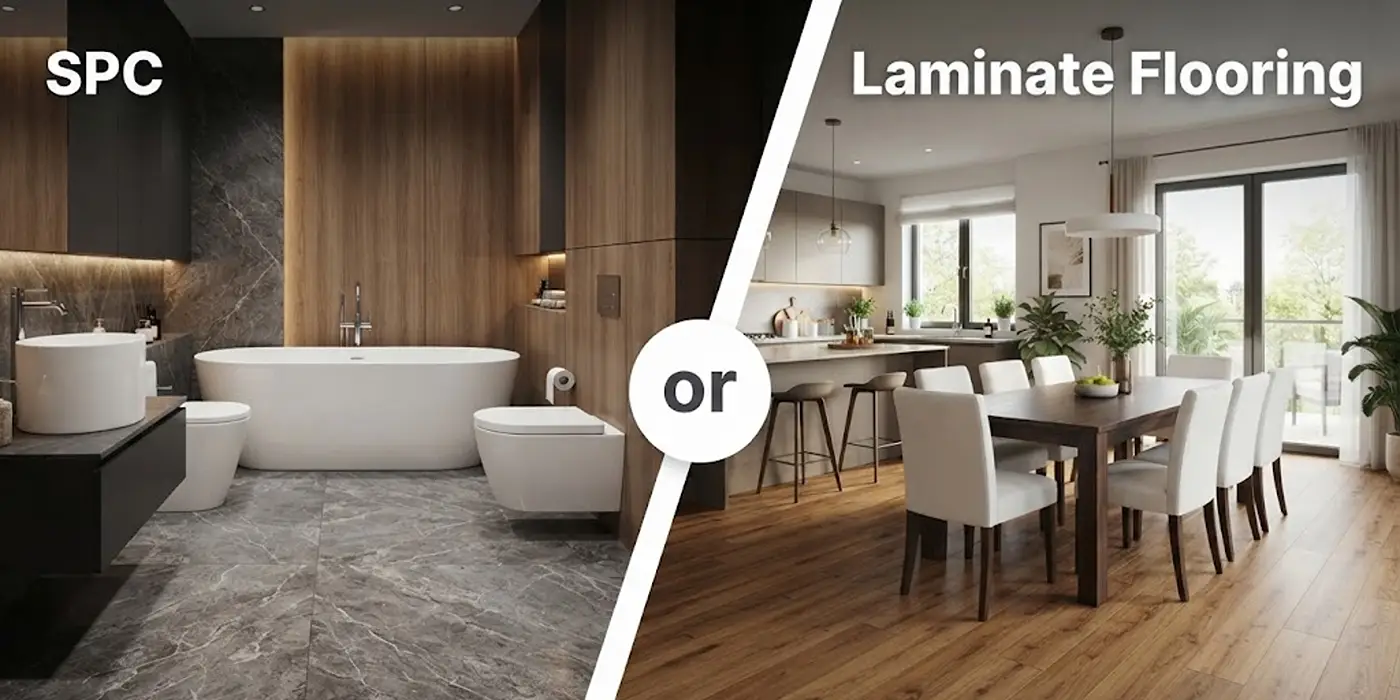
SPC or Laminate Flooring: Which Should You Choose?
The right choice depends on your priorities and the room where you plan to install the flooring.
Choose SPC if:
- You want strong moisture resistance.
- You prefer a rigid flooring surface.
- You are considering flooring for areas where moisture exposure is a concern.
- You want wood, stone, parquet, or other modern designs.
- You need flooring for residential or commercial applications.
Choose laminate if:
- You want a wide selection of wood-look designs.
- You prefer a traditional laminate flooring construction.
- You are installing flooring in dry interior areas.
- You want to compare different AC-rated products.
- You want to balance appearance, durability, and project budget.
Neither option suits every project automatically. The product specification matters as much as the flooring category.
SPC vs Laminate Flooring for Dubai Homes
Dubai properties have different flooring requirements depending on the room and building type. Apartments, villas, offices, retail spaces, and hospitality properties all experience different levels of traffic and moisture exposure.
SPC is worth considering for areas where moisture resistance and rigid construction are priorities. You can also explore luxury SPC flooring in Dubai if you are looking for decorative designs such as wood-look, parquet, or herringbone finishes.
Laminate remains a practical option for dry interior spaces where wood-inspired appearance and product selection are important. If you want to compare available designs and specifications, explore laminate flooring in Dubai.
What Should You Check Before Buying?
Before choosing between SPC and laminate, review these points:
- Room and intended use
- Expected foot traffic
- Moisture exposure
- Product thickness
- Surface finish
- Core construction
- Wear or abrasion rating
- Installation method
- Underlay requirements
- Warranty
- Cleaning requirements
- Total installation cost
These details give you a more accurate basis for comparison than appearance or price alone.
Final Thoughts
The choice between SPC and laminate flooring depends on your property’s needs. SPC offers a rigid composite core and strong moisture resistance, while laminate provides a wide range of wood-inspired designs and different performance ratings.
When comparing SPC flooring vs laminate, consider the room, moisture exposure, traffic, appearance, comfort, maintenance, installation requirements, and total project cost.
For a Dubai flooring project, compare individual products and their technical specifications before making your final decision. This approach helps you select flooring that suits the space rather than choosing based on the material name alone.