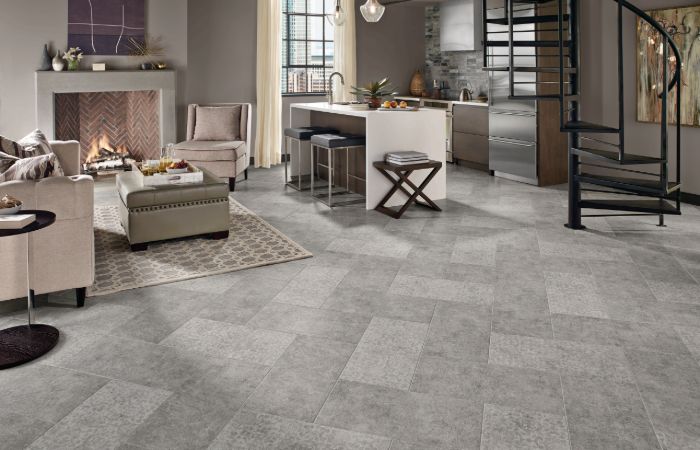
Choosing a floor is not simply about finding an attractive colour or pattern. Your flooring must also withstand foot traffic, spills, furniture movement, temperature changes, and everyday cleaning.
SPC flooring has become a popular option for residential and commercial interiors because it combines a realistic decorative surface with a strong, waterproof rigid core. However, like every flooring material, it has advantages and limitations.
Understanding the main SPC flooring pros and cons can help you decide whether it is suitable for your home, villa, office, shop, or hospitality space.
What Is SPC Flooring?
SPC stands for Stone Plastic Composite or Stone Polymer Composite. It is a type of rigid-core vinyl flooring manufactured from several layers pressed together.
A typical SPC plank may include:
- A protective UV coating
- A transparent wear layer
- A printed decorative layer
- A rigid SPC core
- An attached acoustic underlay, depending on the product
The dense core gives the flooring greater rigidity and dimensional stability than many traditional flexible vinyl products. SPC floors are commonly available in wood, stone, tile, and marble-inspired finishes.
Homeowners and businesses considering this material can explore professional SPC flooring in Dubai in different colours, patterns, plank sizes, and surface textures.
Quick Overview of SPC Flooring Pros and Cons
| SPC Flooring Pros | SPC Flooring Cons |
|---|---|
| Waterproof construction | Harder underfoot than softer vinyl |
| Strong and durable rigid core | Requires a properly prepared subfloor |
| Resistant to scratches and stains | Cannot be sanded or refinished |
| Easy to clean and maintain | Damaged planks may be difficult to replace |
| Suitable for busy areas | Can produce a hollow sound without good underlay |
| Available in realistic designs | Quality differs between manufacturers |
| Quick click-lock installation | Less authentic than natural wood |
| Good dimensional stability | Limited recycling options for some products |
Advantages of SPC Flooring
1. Waterproof Construction
One of the biggest advantages of SPC flooring is its waterproof core. The planks do not absorb water in the same way as natural wood or standard wood-based flooring.
This makes SPC suitable for moisture-prone rooms such as:
- Kitchens
- Bathrooms
- Laundry rooms
- Entryways
- Cafés
- Retail stores
- Commercial premises
It is important to understand that waterproof flooring does not automatically make the entire room waterproof. Water may still reach the subfloor through unsealed edges, expansion gaps, or damaged joints. Correct fitting and perimeter sealing remain important.
For additional moisture-resistant options, compare SPC with other waterproof flooring solutions in Dubai.
2. High Durability
SPC flooring has a dense rigid core that helps it resist everyday impact, pressure, and wear. This strength makes it appropriate for active households and commercial areas that receive frequent foot traffic.
The protective wear layer also helps defend the decorative surface against:
- Minor scratches
- Stains
- Scuff marks
- Pet activity
- Moving chairs
- General daily wear
The actual durability will depend on the product’s construction, wear-layer thickness, installation quality, and maintenance routine. Choosing a suitable commercial or residential grade is therefore essential.
3. Suitable for High-Traffic Areas
Because SPC flooring is rigid and wear-resistant, it can perform well in areas where softer or less stable materials may deteriorate quickly.
Common applications include:
- Living rooms
- Hallways
- Offices
- Shops
- Restaurants
- Hotel rooms
- Reception areas
- Rental properties
For a busy commercial space, select a product with a stronger wear layer and a warranty that covers the intended type of use.
4. Easy to Clean and Maintain
SPC flooring does not require polishing, sanding, waxing, or specialised wood treatments. Routine maintenance generally involves sweeping, vacuuming, and cleaning with a damp mop.
Spills should still be wiped up promptly to prevent staining, slippery surfaces, or moisture reaching the edges of the installation.
Avoid abrasive brushes, harsh chemicals, steam cleaners, and excessive amounts of water unless the flooring manufacturer specifically approves them.
5. Wide Variety of Designs
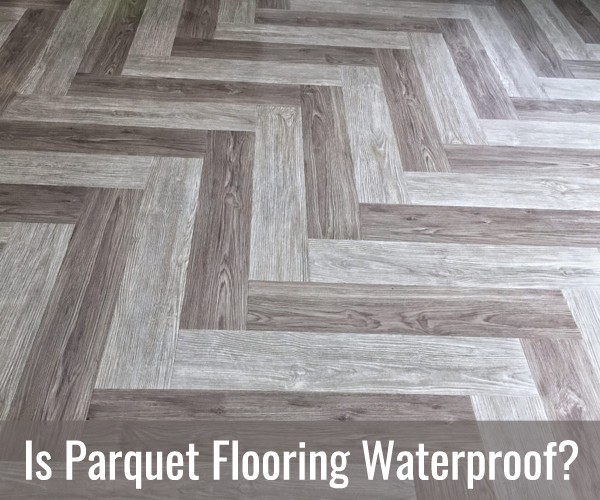
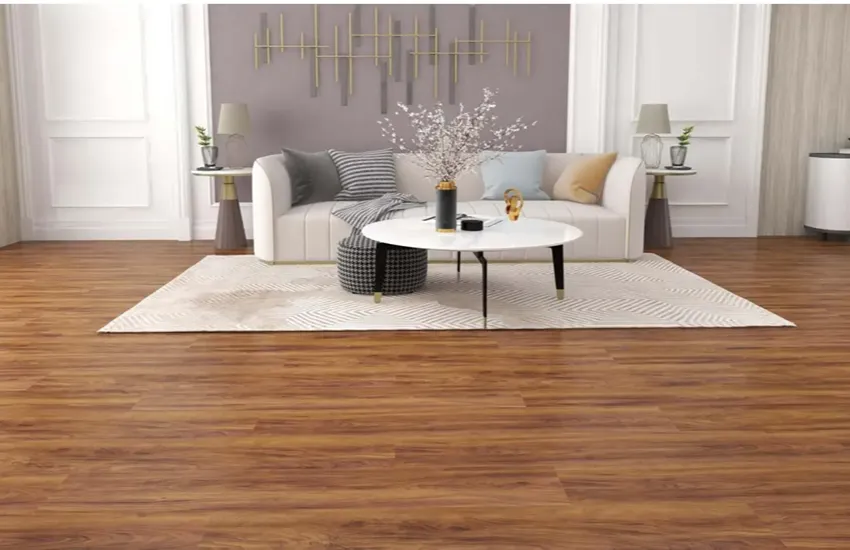
SPC flooring can reproduce the appearance of oak, walnut, marble, concrete, stone, and ceramic tiles. Modern printing and surface-texturing methods allow manufacturers to create more realistic grain patterns and finishes.
The broad design range makes SPC easy to coordinate with:
- Contemporary apartments
- Traditional villas
- Minimalist offices
- Luxury retail interiors
- Hospitality spaces
- Scandinavian-style rooms
Those who like the appearance of timber but prefer a synthetic, waterproof surface can compare SPC with premium wooden flooring in Dubai.
6. Fast Click-Lock Installation
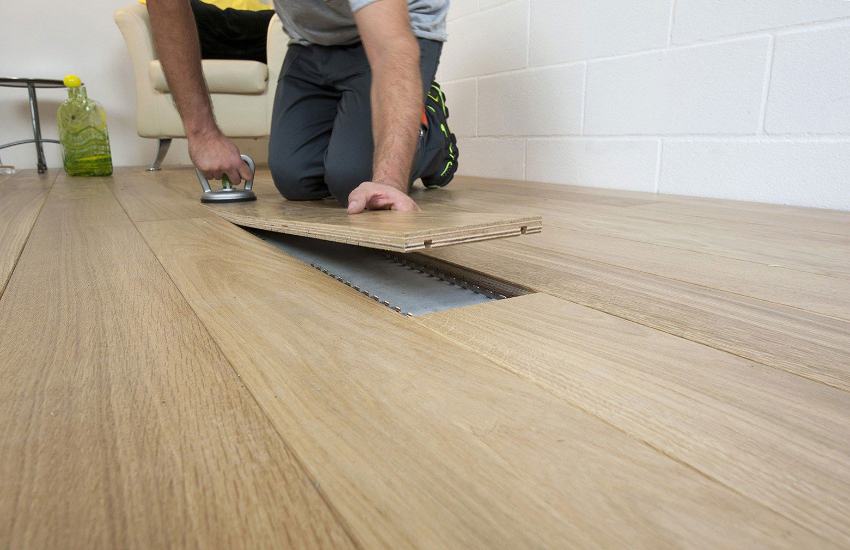
Many SPC planks use a click-lock fitting system. The planks connect to one another and are installed as a floating floor without being permanently fixed to the entire subfloor.
This method can reduce installation time and may allow the floor to be fitted over certain existing hard surfaces. However, the base must still be clean, dry, stable, and sufficiently flat.
Manufacturer installation instructions must always be followed, particularly regarding expansion gaps, maximum installation areas, doorways, transitions, and underlay.
7. Good Dimensional Stability
The rigid mineral-composite core helps SPC flooring remain stable when exposed to normal indoor temperature changes. This can be useful in Dubai properties where air-conditioned interiors may experience different conditions from areas close to windows and entrances.
However, SPC flooring is not indestructible. Direct sunlight, extreme heat, inadequate expansion space, or installation in an unsuitable outdoor area may cause movement or damage. Product-specific temperature and installation guidelines should always be checked.
8. Good Value for Its Appearance
SPC can provide the appearance of premium timber or stone without the maintenance requirements associated with many natural materials.
Although prices vary according to thickness, wear layer, brand, texture, locking system, and installation, SPC is often selected by customers who want a balance of appearance, durability, and manageable maintenance.
It is also worth comparing SPC with vinyl flooring in Dubai before making a final decision.
Disadvantages of SPC Flooring
1. It Can Feel Hard Underfoot
The same rigid core that gives SPC its strength can also make it feel harder than carpet, cushioned vinyl, or some wood-plastic composite floors.
This may be noticeable in kitchens, retail stores, or workspaces where people stand for long periods. An appropriate attached pad or approved underlay can improve comfort, but SPC will generally remain firmer than softer flooring materials.
2. Subfloor Preparation Is Essential
SPC flooring may be rigid, but it still requires a flat and stable base. Installing it over an uneven surface can place excessive pressure on the joints and create movement, noise, raised edges, or locking-system failure.
Before installation, the subfloor may need:
- Cleaning
- Moisture testing
- Levelling
- Crack repairs
- Removal of loose materials
- Correction of high and low spots
Official SPC installation guidance emphasises checking subfloor flatness and preparing concrete or wood bases before fitting.
Professional preparation is especially important when fitting SPC over old tiles or an existing floor.
3. Damaged Planks Cannot Be Refinished
Natural wood can sometimes be sanded and refinished to remove surface damage. SPC flooring cannot be restored in the same way.
If a plank becomes deeply scratched, cracked, burnt, or otherwise permanently damaged, it will usually need to be replaced. Keeping a few spare planks from the original batch can make future repairs easier.
4. Individual Plank Replacement Can Be Difficult
Although SPC click flooring is relatively quick to install, replacing one plank in the middle of a room may require several surrounding rows to be disconnected.
In some situations, an installer may use a specialised plank-replacement method. However, the repair must be handled carefully to avoid damaging adjacent joints.
5. It May Sound Hollow
Floating floors can produce a hollow or clicking sound when walked on, particularly when installed over an uneven base or without suitable acoustic backing.
Noise can be reduced through:
- Proper subfloor preparation
- High-quality attached padding
- Manufacturer-approved acoustic underlay
- Correct expansion gaps
- Professional fitting
Do not add a second layer of underlay beneath a product that already has attached backing unless the manufacturer allows it. Excessive cushioning may place stress on the locking joints.
6. It Does Not Fully Replicate Natural Wood
SPC flooring can look highly realistic, but it is still a manufactured surface. Repeated printed patterns, texture, sound, and temperature may distinguish it from genuine timber.
Homeowners who prioritise natural character, unique grain variation, and the ability to refinish their floors may prefer real or engineered wood.
7. Product Quality Can Vary
Not all SPC products offer the same performance. Low-quality flooring may have a thin wear layer, weak locking joints, unrealistic printing, poor dimensional stability, or limited warranty protection.
When comparing products, evaluate:
- Total plank thickness
- Wear-layer specification
- Locking-system quality
- Core density
- Surface texture
- Attached underlay
- Slip resistance
- Indoor air quality certification
- Residential or commercial warranty
- Manufacturer installation requirements
A lower initial price may not provide better value if the flooring needs premature replacement.
8. Environmental Considerations
SPC is a composite product that usually contains mineral material and PVC-based components. Because these layers are permanently combined, recycling may be more difficult than recycling a single-material product.
Customers concerned about environmental impact should ask suppliers about recycled content, emissions testing, production standards, take-back programmes, and end-of-life recycling options.
Where Should You Install SPC Flooring?
SPC flooring can work well in:
Kitchens
Its waterproof construction and easy-clean surface make it practical for areas exposed to cooking spills and frequent cleaning.
Living Rooms
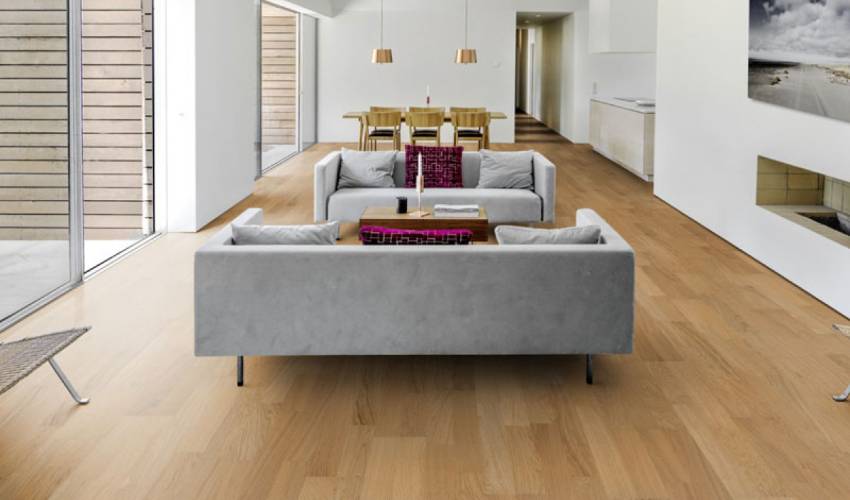
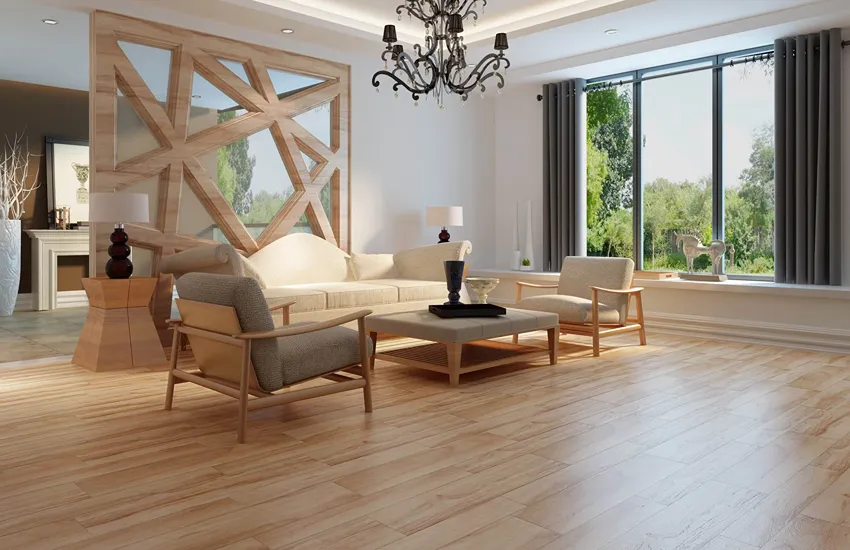
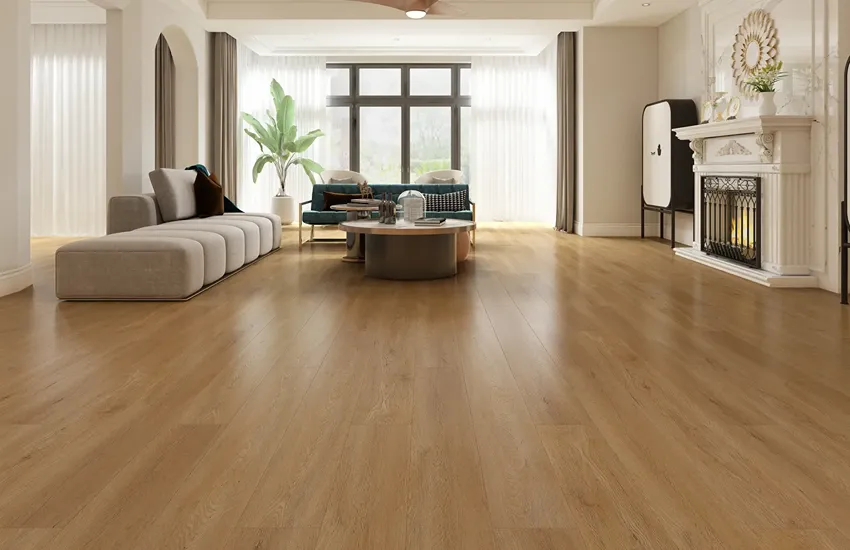
Wood-look SPC can create a warm visual appearance while handling furniture, children, pets, and everyday activity.
Bedrooms
SPC offers a clean, consistent finish, although homeowners may want an acoustic underlay or rugs for additional warmth and comfort.
Offices
Durable SPC products can accommodate office chairs, desks, foot traffic, and routine commercial cleaning.
Shops and Hospitality Spaces
Products with suitable commercial wear layers can be used in retail shops, cafés, salons, hotel rooms, and reception areas.
Bathrooms
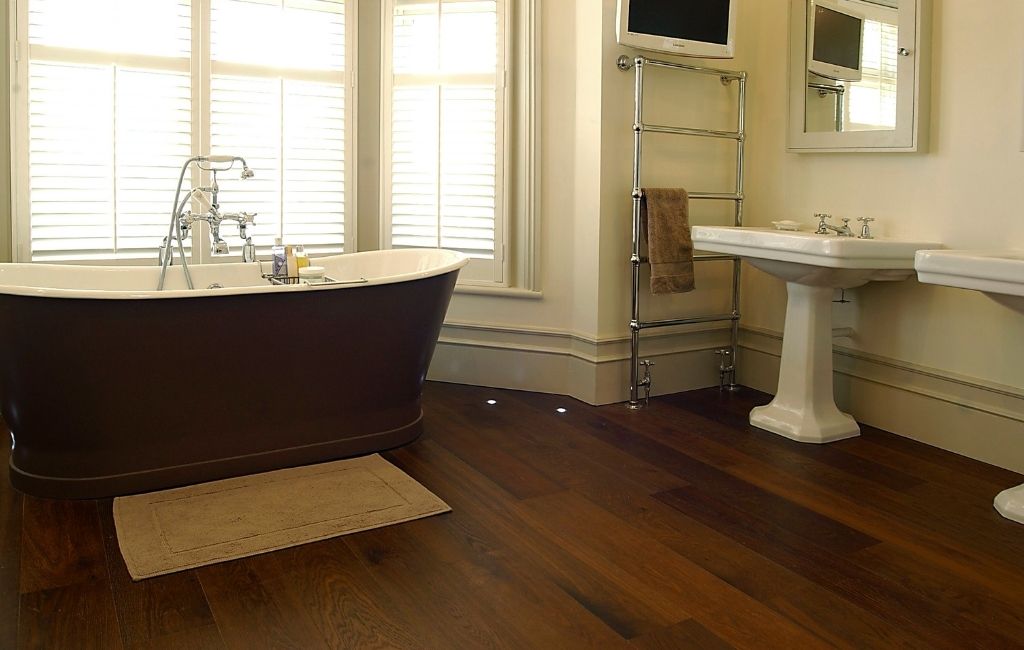
SPC material is waterproof, but bathroom installation requires careful treatment of edges, sanitary fittings, transitions, and the underlying subfloor. It should not be treated as a replacement for a complete wet-room waterproofing system.
How to Choose Good-Quality SPC Flooring
Before purchasing, consider the following factors.
Check the Wear Layer
The wear layer protects the decorative surface. Select its thickness according to the expected traffic level rather than choosing based only on plank thickness.
Inspect the Locking System
Strong, precisely manufactured joints help the floor remain secure. Poor-quality locking edges may break during installation or separate later.
Ask About the Underlay
Some SPC products include attached acoustic backing. Confirm whether additional underlay is permitted and whether it is suitable for your subfloor.
Request Samples
View samples inside the actual property during daylight and under artificial lighting. Colours and textures can appear different from website photographs.
Review the Warranty
Check what the warranty covers, how long it lasts, and whether it applies to residential or commercial use. Also review exclusions related to moisture, sunlight, temperature, installation, and maintenance.
Use Professional Installation
Even a high-quality floor can fail if the subfloor is uneven or the expansion requirements are ignored. Working with an experienced flooring company in Dubai helps ensure accurate measurement, floor preparation, fitting, and finishing.
Is SPC Flooring Worth It?
SPC flooring is worth considering when you need a waterproof, durable, attractive, and low-maintenance floor for a busy interior. It is particularly practical for kitchens, living areas, rental properties, offices, shops, and hospitality environments.
However, it may not be the best option for customers who want the warmth and authenticity of natural timber, a soft surface underfoot, or a floor that can be sanded and refinished.
The best decision should be based on the room conditions, subfloor, traffic level, design expectations, acoustic requirements, and product quality.
Final Thoughts
After reviewing the main SPC flooring pros and cons, it is clear that the material offers a strong combination of waterproof performance, durability, easy maintenance, and design flexibility.
Its disadvantages—including its firm feel, strict subfloor requirements, and limited repair options—can often be managed by choosing a suitable product and using experienced installers.
For help comparing colours, thicknesses, wear layers, and installation methods, contact our flooring experts and request professional recommendations for your property.