If you’ve started shopping for new floors in Dubai, you’ve probably noticed that “vinyl flooring” isn’t just one product anymore. SPC, LVT, LVP, WPC, the options can blur together fast, especially when every showroom tells you their option is “the best.”
The truth is simpler than it sounds: SPC is a type of vinyl flooring, but a more rigid, heavy-duty version of it. Both are 100% waterproof, both mimic the look of wood, stone, or marble convincingly, and both are far easier to live with than natural wood in Dubai’s climate. Where they differ is in what’s underneath the surface, and that difference matters a lot once you factor in Dubai’s heat, direct sun through floor-to-ceiling windows, and villas with underfloor variations in humidity.
In this guide, we’ll break down exactly how SPC and vinyl flooring compare: structure, durability, heat and water resistance, installation, comfort, and cost, so you can choose the right floor for your home, apartment, or office with confidence.
What Is SPC Flooring?
SPC stands for Stone Plastic Composite. It’s the newest generation of what’s often called “rigid core” vinyl flooring, and it’s built specifically to solve the problems older resilient floors struggled with: warping, denting, and instability under heat.
The core of an SPC plank is made from a dense mix of limestone powder, PVC, and stabilizers. That combination makes the plank rigid rather than flexible, which is why SPC holds its shape even when temperatures swing or heavy furniture sits on it for years. On top of that stone-plastic core sits a printed design layer and a clear wear layer that resists scuffs, scratches, and stains.
Because of this rigidity, SPC flooring in Dubai has become the go-to choice for villas with large glazed windows, balconies, and open-plan living areas where the floor is exposed to direct sunlight for hours at a time.
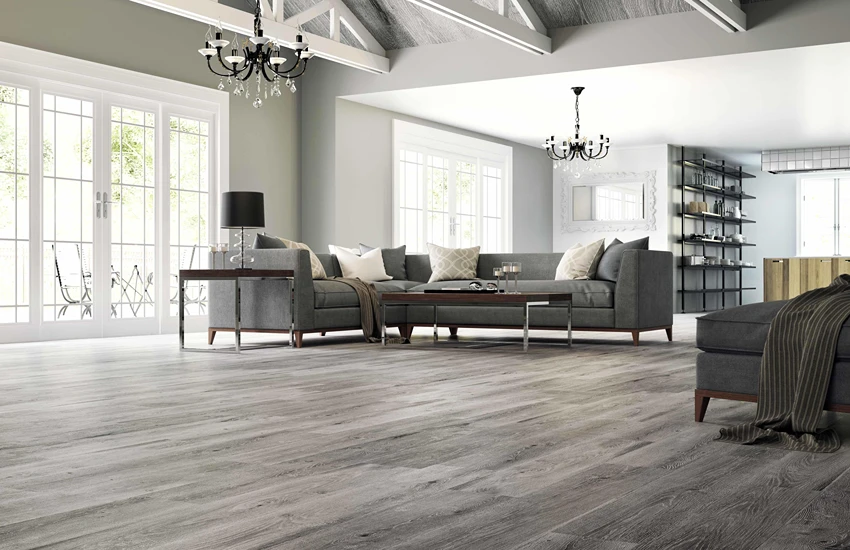
What Is Vinyl Flooring?
Traditional vinyl flooring, usually sold as Luxury Vinyl Tile (LVT) or Luxury Vinyl Plank (LVP), has been around for decades and remains one of the most popular flooring categories in the UAE. Unlike SPC, standard vinyl has a flexible PVC core rather than a stone-based one. That flexibility is actually its main selling point: it feels softer and warmer underfoot, and it’s usually the more budget-friendly option.
Vinyl still uses the same basic layering as SPC (a wear layer on top, a printed design layer beneath it, and a backing layer for stability) but without the dense rigid core. It also comes in more formats than SPC, including sheet vinyl, which is popular for large commercial areas, clinics, and spaces that need a seamless, joint-free surface.
You can browse the full range of vinyl flooring options in Dubai, including LVT flooring and PVC flooring, to compare designs and finishes side by side.
SPC vs Vinyl: Structure and Composition
| Layer | SPC Flooring (Rigid Core) | Traditional Vinyl (LVT/LVP) |
|---|---|---|
| Wear layer | Clear protective top coat, resists scratches and stains | Same function, though often slightly thinner |
| Print layer | Realistic wood, stone, or marble design | Realistic wood, stone, or marble design |
| Core layer | Stone Plastic Composite, limestone powder + PVC, rigid and dense | Flexible PVC core, softer and more pliable |
| Backing layer | Provides balance and structural integrity | Provides balance and structural integrity |
| Underlayment | Often pre-attached (foam/cork) for sound insulation | Usually installed separately, if at all |
The rigid SPC core is what gives it superior resistance to dents and subfloor imperfections, while vinyl’s flexible core is what makes it feel softer to walk on.
Durability and Lifespan
This is where the two options start to genuinely diverge, and it matters more in Dubai than almost anywhere else.
- Heat and sun exposure: Dubai interiors regularly see direct sunlight through large windows and sliding doors, and indoor-outdoor temperature swings are common with AC running against 45°C+ heat outside. SPC’s rigid core resists expansion, contraction, and warping far better than standard vinyl in these conditions.
- Impact and denting: SPC’s stone-based core resists dents from dropped objects, heavy furniture, and rolling office chairs. Vinyl, being softer, is more prone to indentation over time.
- Lifespan: With proper installation, SPC typically lasts 15 to 25 years, while good-quality vinyl generally lasts 10 to 20 years.
For high-traffic homes, villas with large glazed areas, and commercial spaces, SPC’s added stability tends to pay for itself over the life of the floor.
Waterproof and Moisture Performance
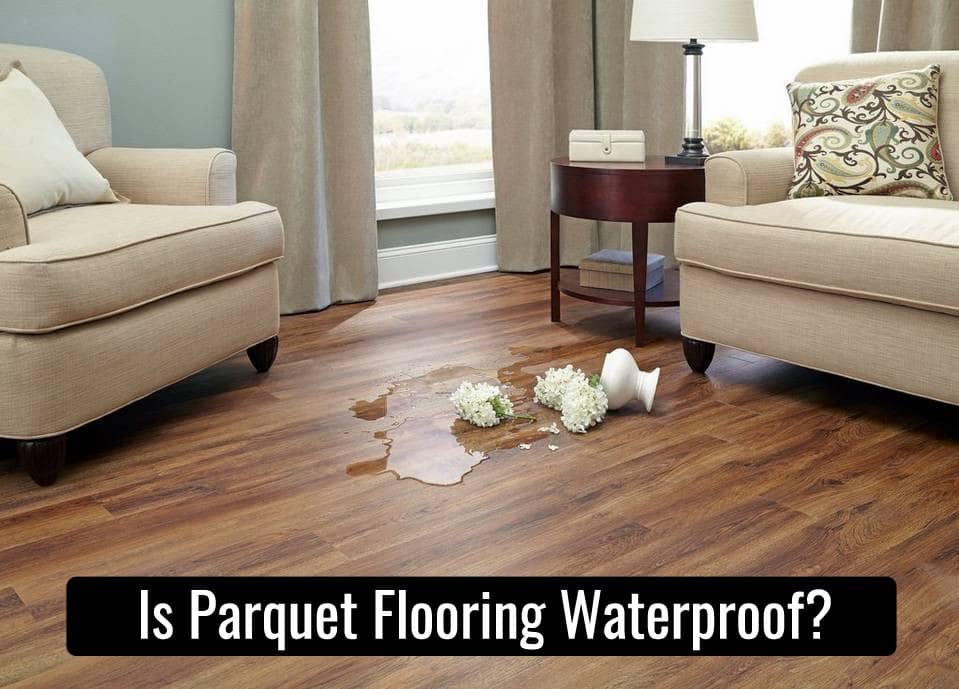
Both SPC and vinyl are marketed, accurately, as 100% waterproof, which is a major reason both have overtaken natural wood and laminate in UAE bathrooms, kitchens, and laundry areas. Neither material will swell or rot from water exposure.
The difference shows up in stability after exposure. SPC’s rigid core keeps planks locked tightly together even in humid conditions, reducing the risk of gapping or curling at the seams over time. Vinyl remains water-resistant too, but its flexible core is marginally more prone to subtle movement in consistently humid rooms.
Installation and Subfloor Requirements
Both products commonly use a click-lock floating floor system, but subfloor prep needs differ:
Vinyl installation
- The subfloor must be smooth and level. Vinyl’s flexibility means it will telegraph any bumps or imperfections in the surface below.
- Moisture in the subfloor needs to be checked and resolved before laying.
- Planks or tiles are either clicked together or glued down, depending on the product.
SPC installation
- SPC is far more forgiving of minor subfloor imperfections thanks to its rigid core.
- It’s almost always installed as a floating floor, which means it can often go directly over existing tile or hard flooring, cutting renovation time and mess.
- Because less prep is needed, SPC installs are usually quicker from start to finish.
If you’re renovating an occupied home or office and want to minimize downtime, this is one of SPC’s biggest practical advantages.
Underfoot Comfort and Sound
Vinyl generally feels warmer and softer underfoot because of its flexible core, a real advantage in kitchens or home offices where you’re standing for long stretches. SPC, being denser, can sound slightly hollow if installed without underlayment, though most modern SPC products now come with an attached acoustic pad that largely closes this gap. For apartments and multi-storey buildings, an SPC product with attached underlayment (or a separate acoustic pad) is worth prioritizing to keep noise transfer to a minimum.
Design Options and Thickness
Thickness affects performance more than most buyers expect:
- SPC typically ranges from 4mm to 8mm. Thicker SPC planks are more rigid, more resistant to temperature-driven warping, and hold a stronger click-lock joint over years of heavy use.
- Vinyl typically ranges from 2mm to 5mm. Thinner planks are easier on the budget but offer a weaker locking mechanism and less protection against subfloor imperfections.
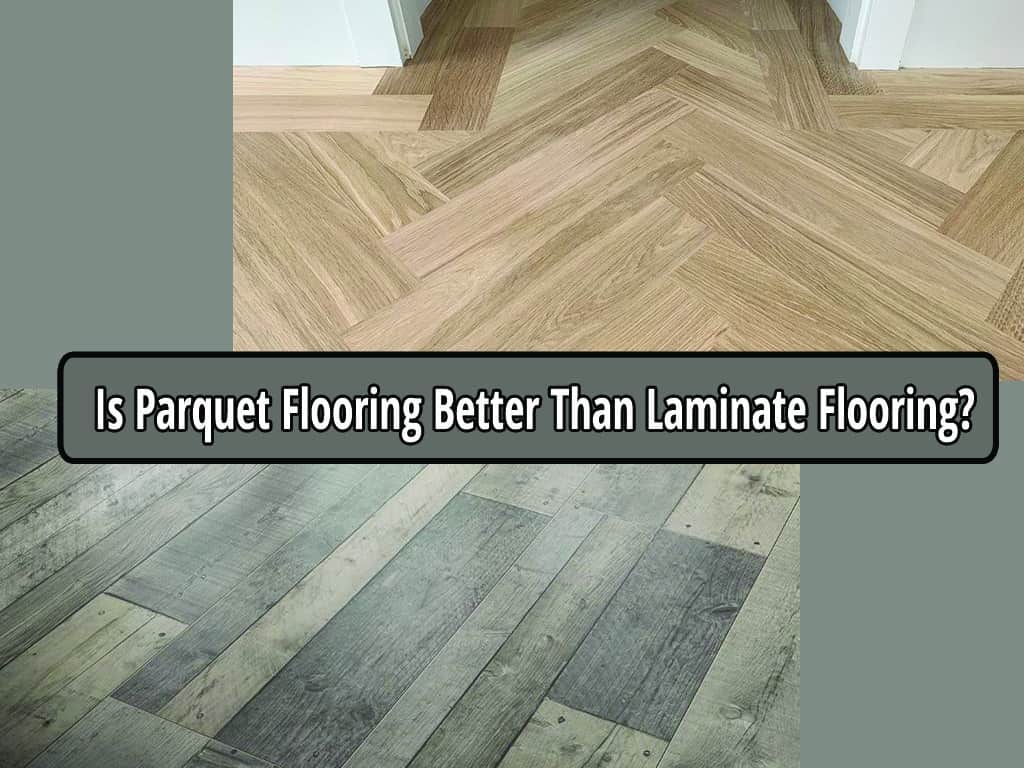
Both are available in an extensive range of finishes, including oak and walnut wood tones, marble and stone prints, and herringbone or chevron layouts, so design flexibility isn’t really a deciding factor between the two; it comes down to performance and budget.
Maintenance and Cleaning
Both floors are low-maintenance by design:
- Sweep or vacuum regularly to remove dust and grit.
- Damp-mop with a pH-neutral cleaner for deeper cleaning.
- Avoid steam cleaners, wax, and abrasive pads, which can dull the wear layer over time.
- Wipe up spills promptly. Neither surface is porous, so stains rarely set in if cleaned quickly.
There’s essentially no maintenance advantage either way; both are built for busy households and commercial spaces alike.
Cost Comparison: Which Offers Better Value?
| Factor | Vinyl (LVT/LVP) | SPC Flooring |
|---|---|---|
| Material cost | Generally lower upfront | Mid to higher upfront |
| Subfloor prep cost | Higher, needs a near-perfect surface | Lower, forgiving of minor imperfections |
| Long-term value | Good, but more exposed to heat/sun wear | Higher, greater stability extends usable lifespan |
Vinyl usually wins on sticker price, but once you factor in subfloor prep and how each material holds up to Dubai’s climate over a decade or more, SPC often ends up the more cost-effective choice for the areas that see the most sun, traffic, or moisture.
SPC vs Vinyl: Quick Comparison
| Feature | SPC Flooring | Vinyl Flooring (LVT/LVP) |
|---|---|---|
| Core | Stone Plastic Composite (limestone + PVC) | Flexible PVC |
| Rigidity | Rigid, highly stable | Flexible, softer |
| Heat/sun stability | Excellent | Good, more prone to warping |
| Dent resistance | Excellent | Moderate |
| Underfoot feel | Firmer (improved with underlay) | Softer, warmer |
| Subfloor forgiveness | High | Low |
| Lifespan | 15 to 25 years | 10 to 20 years |
| Typical thickness | 4mm to 8mm | 2mm to 5mm |
| Upfront cost | Mid to high | Lower |
Which Should You Choose?
Choose SPC flooring if:
- Your space gets direct sun through large windows, balcony doors, or skylights.
- You’re installing in a high-traffic area, home office, or commercial space.
- You want to install over existing tile without a full subfloor overhaul.
- You want the longest possible lifespan with minimal risk of warping.
Choose vinyl flooring if:
- Budget is your primary constraint.
- You want a softer, warmer floor for bedrooms or a home office.
- The room is low-traffic and away from direct sunlight.
- You’re outfitting a large commercial space and considering seamless sheet vinyl.
Not sure which fits your specific rooms? Our vinyl vs laminate flooring comparison guide is another useful read if you’re weighing more than just these two options, and our parquet flooring and laminate flooring ranges are worth a look if you want a more natural wood-look finish for lower-traffic areas.
Final Thoughts
Both SPC and vinyl flooring are excellent, waterproof, low-maintenance upgrades over tile or wood for Dubai homes and offices. Vinyl remains a smart, budget-friendly pick for softer, low-traffic spaces, but SPC’s rigid core gives it a clear edge in the conditions Dubai floors actually face: intense heat, direct sun, and heavy daily use, making it the more durable long-term investment for most villas, apartments, and commercial fit-outs.
At Flooring Dubai, we supply and install both SPC and vinyl flooring across Dubai, Abu Dhabi, Sharjah, and the rest of the UAE, with free measurements and consultations to help you match the right product to your space. Get in touch with our team for a free quote and sample viewing before you decide.