Choosing between vinyl and laminate flooring depends on where you plan to install it, how much foot traffic the room receives, and how you want your floor to look. Both options offer wood-effect designs, practical maintenance, and a range of styles for modern homes.
If you are comparing flooring options for a villa, apartment, office, or commercial property, working with experienced flooring contractors in dubai helps you assess your subfloor, room conditions, and installation requirements before making a decision.
Vinyl flooring is generally the stronger choice for areas exposed to spills and frequent cleaning, provided you select a suitable waterproof product. Laminate flooring suits dry living spaces where you want the appearance and texture of wood at a practical price.
This guide compares both flooring types so you know which option suits your rooms, budget, and everyday needs.
What Is the Difference Between Vinyl and Laminate Flooring?
The main difference lies in their materials and response to moisture.
Vinyl flooring uses synthetic materials, primarily PVC, to create a resilient floor covering. Depending on the product, it comes in planks, tiles, or sheets. Some vinyl products have flexible construction, while rigid-core options such as SPC use a denser core.
Laminate flooring typically features a high-density fibreboard (HDF) core, a decorative layer that replicates wood or other finishes, and a protective wear layer. Its layered construction creates a firm surface with realistic patterns and textures.
Here is a quick comparison of the two options.
| Feature | Vinyl Flooring | Laminate Flooring |
|---|---|---|
| Main material | Synthetic vinyl-based layers | HDF core with decorative and protective layers |
| Water resistance | Waterproof options are available | Depends on the product, standard laminate is vulnerable to moisture |
| Appearance | Wood, stone, tile, and decorative designs | Realistic wood and stone-effect designs |
| Underfoot feel | Often softer, depending on construction | Generally firm underfoot |
| Maintenance | Sweeping and damp mopping, following product guidance | Sweeping and a well-wrung damp mop, following manufacturer instructions |
| Scratch resistance | Depends on the wear layer and product quality | Depends on the protective surface and AC rating |
| Installation | Click-lock, glue-down, or other product-specific methods | Commonly click-lock floating installation |
| Suitable spaces | Living areas, kitchens, and selected moisture-prone rooms | Bedrooms, living rooms, offices, and other dry areas |
Always check the manufacturer’s specifications before choosing a product. Performance varies between individual flooring ranges.
1. Water Resistance: Which Flooring Handles Moisture Better?
Water resistance is one of the most important factors when comparing vinyl and laminate flooring.
Vinyl flooring
Many vinyl products resist water effectively. Waterproof vinyl planks, tiles, and sheets are useful in kitchens, utility areas, and other rooms where spills occur regularly.
However, the performance of the complete floor depends on more than its surface. Water entering through poorly sealed joints, damaged edges, or an unsuitable subfloor creates problems even with waterproof vinyl.
For Dubai homes, consider vinyl flooring if you want a practical surface for everyday spills and frequent cleaning. Follow the product’s installation and maintenance instructions, especially in rooms exposed to standing water.
Laminate flooring
Traditional laminate flooring contains a fibreboard core. Prolonged exposure to water or moisture entering through the joints might cause swelling, edge damage, or surface deterioration.
Some modern laminate products include water-resistant or waterproof features. Their suitability depends on the manufacturer’s stated limits, joint design, installation method, and warranty conditions.
Avoid assuming every laminate product performs the same way in wet areas.
Winner for moisture-prone spaces: Vinyl flooring with verified waterproof specifications is generally the more suitable choice.
2. Appearance and Design Options
Both flooring types offer attractive designs for contemporary and traditional interiors. Your choice depends on the finish, texture, and overall look you prefer.
Vinyl flooring designs
Vinyl flooring is available in wood-effect planks, stone-effect tiles, marble-inspired patterns, and contemporary decorative finishes.
Popular design choices include:
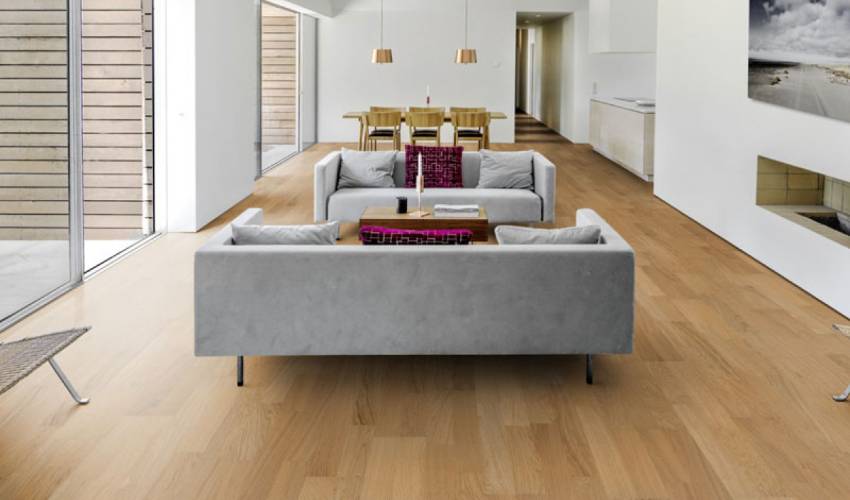
- Natural oak for bright, understated interiors.
- Walnut and darker wood effects for rich, defined spaces.
- Grey finishes for modern apartments and offices.
- Stone-effect patterns for kitchens and contemporary rooms.
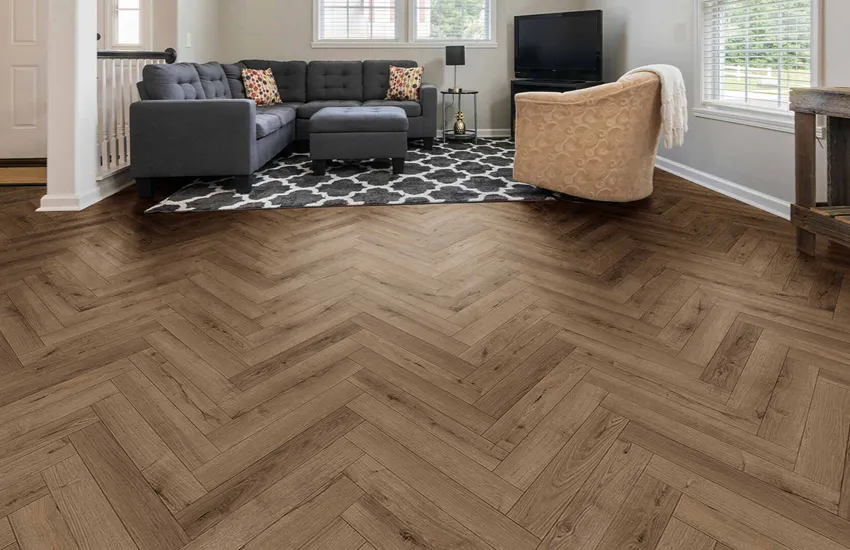
- Herringbone designs for a decorative floor layout.
Vinyl products vary in texture, plank dimensions, wear layers, and surface finishes. Compare samples under your room’s lighting before selecting a design.
Laminate flooring designs
Laminate flooring is particularly popular for wood-effect interiors. Printed decorative layers and embossed textures reproduce the grain and appearance of different wood species.
Available styles include light oak, dark oak, grey wood, rustic finishes, and patterned layouts such as herringbone and chevron.
The right design helps connect your flooring with your furniture, wall colours, doors, and other interior finishes.
If you prefer a traditional timber appearance in a dry living room or bedroom, laminate is worth considering. If you want a similar look with more moisture-tolerant options, compare suitable vinyl products.
3. Durability and Scratch Resistance
Both vinyl and laminate flooring suit everyday residential use when you select the right product and maintain it properly. Their durability depends on construction, surface protection, installation quality, and the conditions in your room.
How durable is vinyl flooring?
Vinyl flooring features a protective wear layer designed to handle everyday use. Product specifications differ, so check the wear-layer thickness and intended application before purchasing.
For busy homes, consider the following:
- Choose a wear layer suited to the expected foot traffic.
- Use furniture protectors to reduce scratches and indentation.
- Remove sand and grit regularly to limit surface abrasion.
- Follow the manufacturer’s cleaning recommendations.
Rigid-core vinyl products also differ in impact resistance and dimensional stability. Do not assume every vinyl plank offers identical performance.
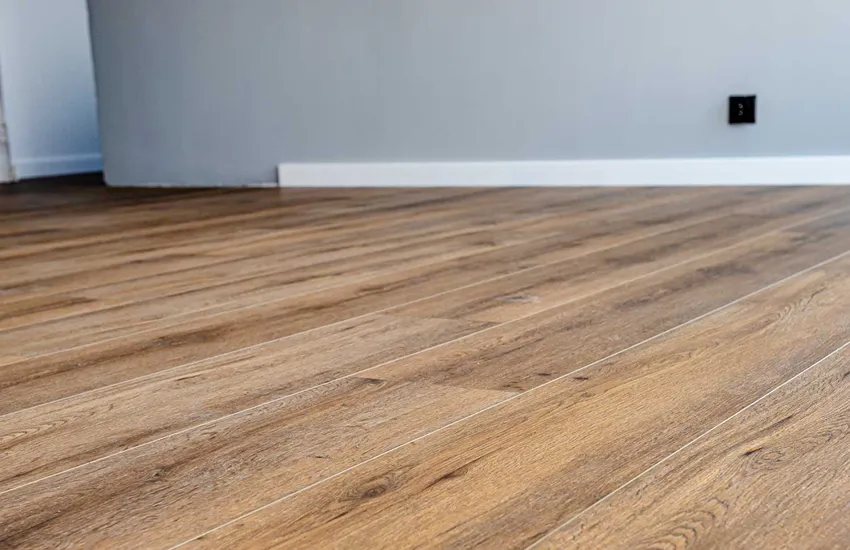
How durable is laminate flooring?
Laminate flooring uses a protective surface layer to resist routine wear, scratches, and stains. Its AC rating helps indicate resistance to surface abrasion and wear.
Common ratings include:
- AC3 for typical residential use.
- AC4 for busy residential areas and suitable commercial applications.
- AC5 for demanding commercial environments where the product is rated for the intended use.
An AC rating does not measure every aspect of durability. It does not, by itself, establish waterproofing, impact resistance, or resistance to heavy furniture indentation.
Use felt pads beneath chairs and tables, clean grit from the floor, and address spills promptly.
Which lasts longer? There is no universal winner. Compare the specifications, warranty, installation requirements, and expected traffic for the products you are considering.
4. Comfort and Feel Underfoot
Comfort matters in rooms where you spend several hours standing or walking.
Vinyl flooring often feels slightly softer underfoot than laminate, although the difference depends on the product’s thickness, core construction, backing, and underlay. Some rigid-core products feel firm, while selected products provide additional cushioning.
Laminate flooring generally has a firmer feel. A suitable underlay, where approved by the manufacturer, helps address sound transmission and provides a more comfortable installation.
Consider your room’s use before deciding.
- Bedrooms: Both options suit bedrooms, depending on your preferred feel and design.
- Living rooms: Both offer practical finishes for everyday use.
- Kitchens: Suitable waterproof vinyl products are often a practical choice.
- Home offices: Both work well when the product suits the chair wheels, foot traffic, and subfloor conditions.
If comfort is a priority, compare actual samples rather than relying on material names alone.
5. Cleaning and Maintenance
Both vinyl and laminate flooring require regular cleaning, but their moisture tolerance affects how you maintain them.
Cleaning vinyl floors
Vinyl floors generally require sweeping or vacuuming with a suitable setting, followed by occasional damp mopping.
For routine care:
- Remove dust, sand, and loose debris.
- Use a cleaner approved for your flooring.
- Wipe spills promptly.
- Avoid abrasive pads and harsh chemicals unless the manufacturer approves them.
- Follow guidance for cleaning products and water exposure.
Cleaning laminate floors
Laminate floors also benefit from regular sweeping or vacuuming. Use a well-wrung mop rather than leaving water on the surface.
For routine care:
- Remove loose dirt and grit.
- Clean with a laminate-safe product.
- Wipe spills immediately.
- Avoid steam cleaning unless the manufacturer explicitly permits it.
- Inspect joints and edges for damage.
For either option, the manufacturer’s maintenance guide should determine the cleaning method. Excess moisture and unsuitable cleaning chemicals shorten the useful life of some flooring products.
6. Vinyl vs Laminate Flooring Cost in Dubai
The total cost of flooring depends on the product, its thickness and construction, the area being covered, and the installation requirements.
Vinyl and laminate both come in a range of price points. Comparing one product from each category without checking their specifications might lead to the wrong decision.
Your flooring budget should account for:
- Material cost per square metre.
- Underlay or backing requirements.
- Subfloor preparation and levelling.
- Installation labour.
- Trims, skirting, and transition profiles.
- Removal and disposal of existing flooring, where required.
- Additional moisture protection or other approved accessories.
A lower material price does not always mean a lower project cost. Uneven subfloors, complicated room layouts, and extra preparation work affect the final quotation.
Request an itemised quote based on your room measurements and the exact products being considered. This gives you a more accurate comparison than looking at material prices alone.
7. Installation: Vinyl vs Laminate Flooring
Installation requirements depend on the product and the condition of the existing floor. Both flooring types require a suitable, clean, stable, and properly prepared subfloor.
Vinyl flooring installation
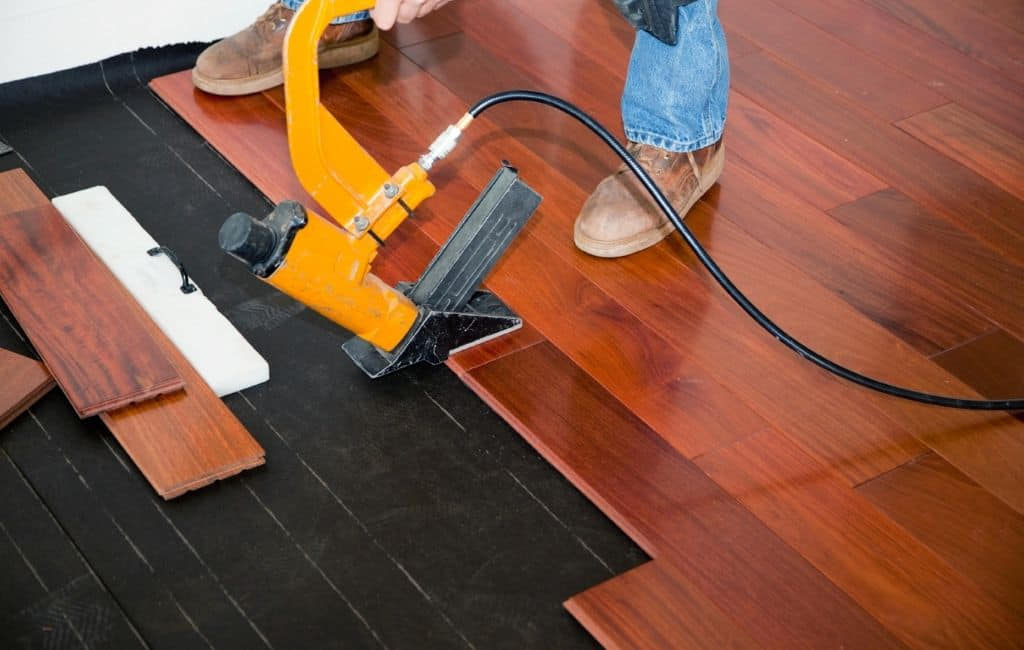
Vinyl planks and tiles use different installation systems, including click-lock and glue-down methods. Vinyl sheets require their own fitting procedures.
Before installation, the installer should assess:
- Subfloor flatness and stability.
- Moisture conditions.
- Product-specific expansion or adhesive requirements.
- Door clearances and transitions.
- The layout and direction of the planks or tiles.
Some vinyl products suit renovation projects, but installing over an existing surface depends on the condition and compatibility of both materials.
Explore vinyl flooring in Dubai to compare available styles, product formats, and options for your property.
Laminate flooring installation
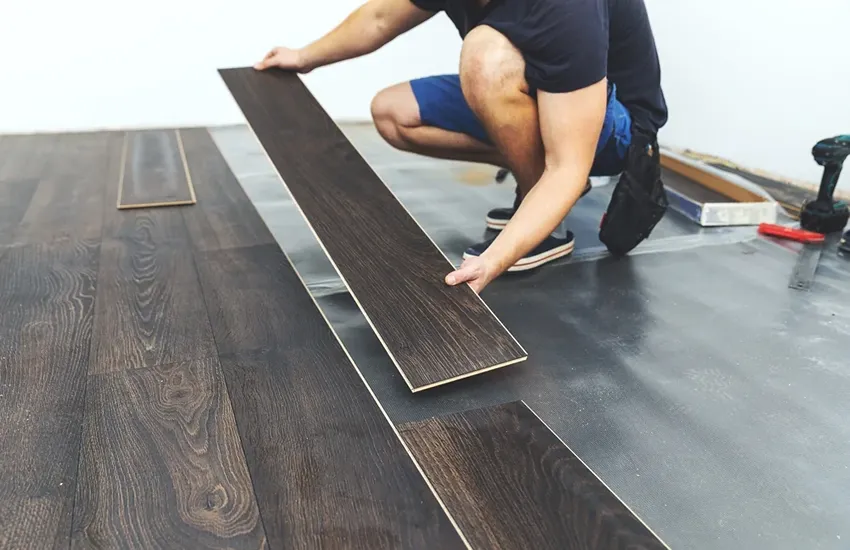
Many laminate floors use a floating click-lock system. The planks connect to each other and sit over an approved underlay or prepared base, according to the product instructions.
A typical installation involves:
- Inspecting and preparing the subfloor.
- Checking moisture conditions and addressing problems.
- Installing the approved underlay or moisture barrier where required.
- Planning the plank layout and expansion gaps.
- Connecting the planks and fitting transition profiles.
- Checking door clearances and finishing details.
The installation process varies by product. Some laminate systems require different preparation or fitting methods.
Professional laminate flooring installation helps ensure the flooring suits the subfloor and follows the manufacturer’s requirements.
8. Which Flooring Is Better for Different Rooms?
Your room’s moisture exposure, foot traffic, and design requirements should guide the final choice.
| Room or Space | Recommended Starting Point | What to Consider |
|---|---|---|
| Living room | Vinyl or laminate | Appearance, foot traffic, furniture, and cleaning |
| Bedroom | Vinyl or laminate | Comfort, sound, design, and budget |
| Kitchen | Waterproof vinyl | Spills, joint protection, and cleaning requirements |
| Bathroom | Flooring specifically approved for the wet area | Waterproofing, slip resistance, and installation details |
| Home office | Vinyl or laminate | Chair wheels, surface wear, and furniture protection |
| Rental property | Either option | Purchase cost, expected use, maintenance, and repair needs |
| Retail or office space | Commercial-rated vinyl or laminate | Traffic levels, maintenance, and product suitability |
For bathrooms and other wet areas, verify that the entire flooring system is approved for the intended conditions. A waterproof surface alone does not replace suitable wet-area waterproofing.
9. Vinyl vs Laminate Flooring: Pros and Cons
Vinyl flooring advantages
- Waterproof options suit areas exposed to everyday spills.
- Available in wood, stone, and decorative designs.
- Straightforward routine cleaning.
- Multiple installation formats suit different projects.
- Selected products offer a softer feel underfoot.
Vinyl flooring limitations
- Quality and performance vary between products.
- Sharp objects and heavy furniture might damage the surface.
- Subfloor preparation remains important.
- Some products require specialist adhesives or installation methods.
Laminate flooring advantages
- Realistic wood-effect designs and textured finishes.
- AC-rated products offer options for different traffic levels.
- Click-lock systems simplify installation for compatible products.
- A wide range of colours, plank sizes, and patterns.
- Suitable for many bedrooms, living rooms, and offices.
Laminate flooring limitations
- Standard products are vulnerable to moisture damage.
- Spills require prompt attention.
- Damaged planks might require replacement.
- Suitability for wet areas depends on the specific product and installation system.
10. How to Choose Between Vinyl and Laminate Flooring
Use these questions to narrow your options before requesting samples or a quotation.
Choose vinyl if:
- Your room regularly experiences spills.
- You prefer a floor with waterproof options.
- You want wood-effect or stone-effect finishes with straightforward routine cleaning.
- Your chosen product suits the room’s traffic and subfloor conditions.
Choose laminate if:
- You want a realistic wood-effect appearance.
- You are flooring a bedroom, living room, or another suitable dry space.
- You want to compare AC-rated products for your expected foot traffic.
- The product’s moisture limits and maintenance requirements suit your household.
If both options meet your needs, compare the installed price, warranty terms, surface texture, product specifications, and availability of matching trims or replacement planks.
Explore the best Laminate flooring in Dubai collection to compare finishes, thicknesses, and designs for your interior.
Frequently Asked Questions
Is vinyl flooring better than laminate flooring?
Vinyl is generally more suitable for areas exposed to spills when you select a waterproof product. Laminate is a strong option for dry rooms where wood-effect appearance and surface wear resistance matter. Your choice depends on the product specifications and room conditions.
Which flooring is more waterproof, vinyl or laminate?
Waterproof vinyl products generally offer better protection against everyday spills. Standard laminate contains a fibreboard core and is more vulnerable to moisture. Some laminate products offer enhanced water resistance, so check their stated limits.
Is vinyl flooring cheaper than laminate flooring in Dubai?
Pricing varies by product, thickness, construction, and installation requirements. Compare the material cost and total installed price for equivalent room sizes before making your decision.
Which flooring is easier to install?
Both flooring types have installation systems suited to different projects. Many laminate products use click-lock fitting, while vinyl products include click-lock, glue-down, and sheet options. Subfloor preparation and product instructions determine the work involved.
Which flooring is better for Dubai homes?
Both vinyl and laminate suit many Dubai homes. Waterproof vinyl is often a practical option for kitchens and rooms exposed to spills. Laminate suits dry living spaces and bedrooms. Select products based on their specifications and the conditions in your property.
Does laminate flooring scratch easily?
Laminate flooring has a protective wear layer, but scratch resistance varies by product. Check the AC rating and manufacturer specifications, then use furniture pads and remove grit regularly to protect the surface.
Is vinyl flooring suitable for pets?
Selected vinyl products suit homes with pets because they resist everyday spills and are easy to clean. Scratch resistance varies, so check the wear layer and product guidance. Clean spills promptly and trim pets’ nails to reduce surface damage.
How long does vinyl or laminate flooring last?
Lifespan varies by product quality, traffic, installation, maintenance, and exposure to moisture. Review the manufacturer’s warranty and care instructions rather than relying on a single lifespan estimate for every flooring type.
Find the Right Flooring for Your Property
Vinyl and laminate flooring offer different benefits for homes and commercial interiors. Vinyl is often the practical choice for moisture-prone spaces, while laminate provides a range of realistic wood-effect finishes for suitable dry rooms.
Before choosing, compare product specifications, samples, installation requirements, and the total project cost.
Contact Flooring Dubai to discuss your flooring requirements, review available designs, and request a quotation for your property.