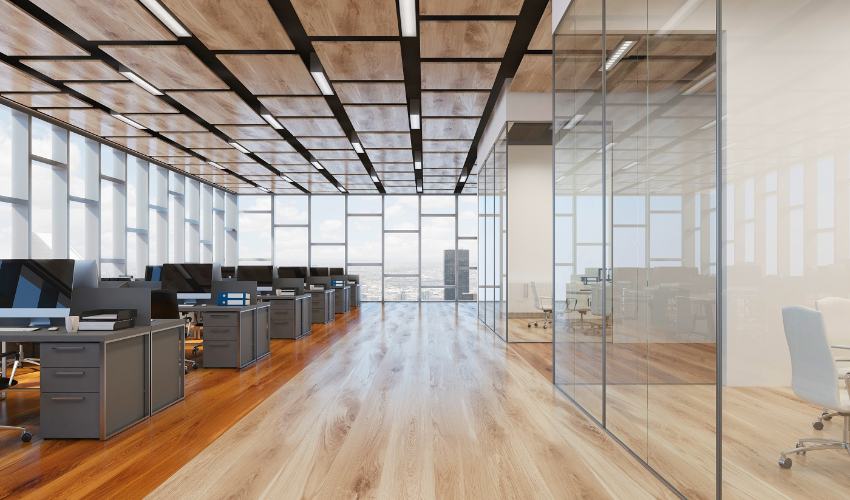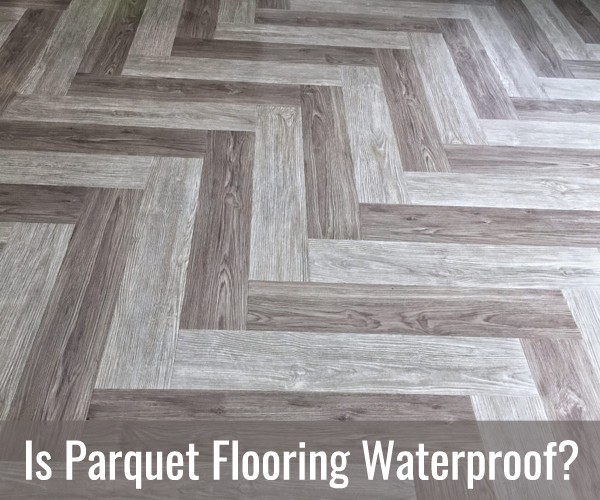
Choosing between click-lock and glue-down vinyl flooring affects how your floor is installed, how it feels underfoot, and how easily it can be repaired or removed. Both options offer wood-look and stone-look designs, but each has different installation requirements.
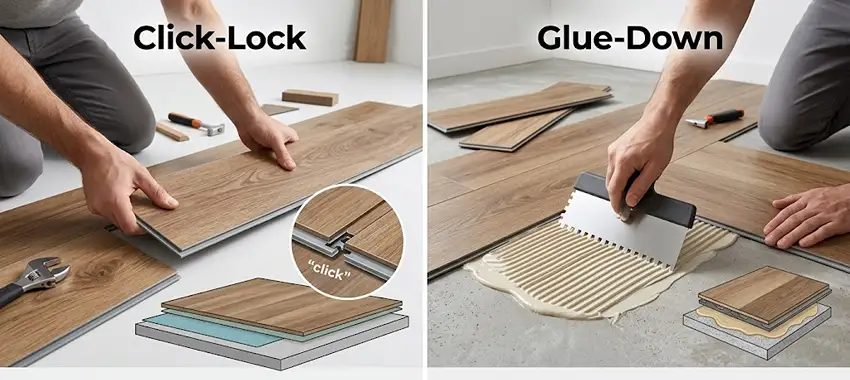
Click-lock vinyl planks connect through interlocking edges and usually float over the subfloor. Glue-down vinyl flooring is bonded directly to a prepared surface using a compatible adhesive. The right choice depends on your room, subfloor condition, expected foot traffic, and the type of vinyl flooring you select.
In this guide, we compare both installation methods to help you choose suitable flooring for your Dubai home, office, or commercial property.
What Is Click-Lock Vinyl Flooring?
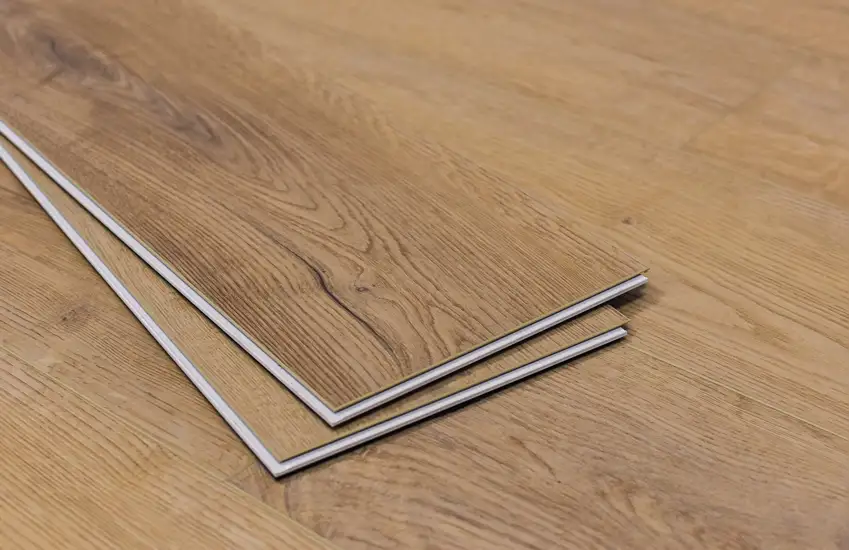
Click-lock vinyl flooring uses specially shaped edges that fit together without requiring adhesive to bond each plank to the subfloor. The connected planks form a floating floor, which rests on a suitable prepared surface.
This installation system is available in products such as click-lock luxury vinyl tiles (LVT) and rigid-core SPC flooring. Product construction and fitting requirements vary, so always check the manufacturer’s instructions before installation.
Advantages of Click-Lock Vinyl Flooring
1. Faster installation
Click-lock planks connect through their edges, reducing the need to spread adhesive across the floor. Once the subfloor is prepared, installation can be relatively quick.
2. Less adhesive-related mess
The floating installation method does not normally require flooring adhesive. This makes the fitting process cleaner and avoids adhesive curing time.
3. Practical for renovations
Some click-lock products can be installed over existing hard flooring when the surface is level, stable, dry, and approved by the manufacturer. This may reduce the amount of demolition required during a renovation.
4. Easier removal
Because the floor is not permanently bonded to the subfloor, click-lock planks can generally be dismantled more easily than glued flooring. This can be useful when you plan to replace the floor or renovate the room later.
5. Multiple design options
Click-lock vinyl flooring is available in designs that resemble oak, walnut, stone, and other materials. Some collections also feature herringbone and chevron patterns.
Explore our SPC flooring in Dubai collection to compare rigid-core vinyl designs and installation options.
Disadvantages of Click-Lock Vinyl Flooring
- Requires a suitable subfloor: Uneven areas can cause movement, noise, or stress on the locking joints.
- Needs expansion clearance where specified: Floating floors may require gaps around walls and fixed objects.
- Can affect floor height: The plank thickness and any required underlay can influence door clearance and transitions.
- Repairs may involve dismantling planks: Accessing a damaged plank in the middle of a room may require removing adjoining rows first.
What Is Glue-Down Vinyl Flooring?
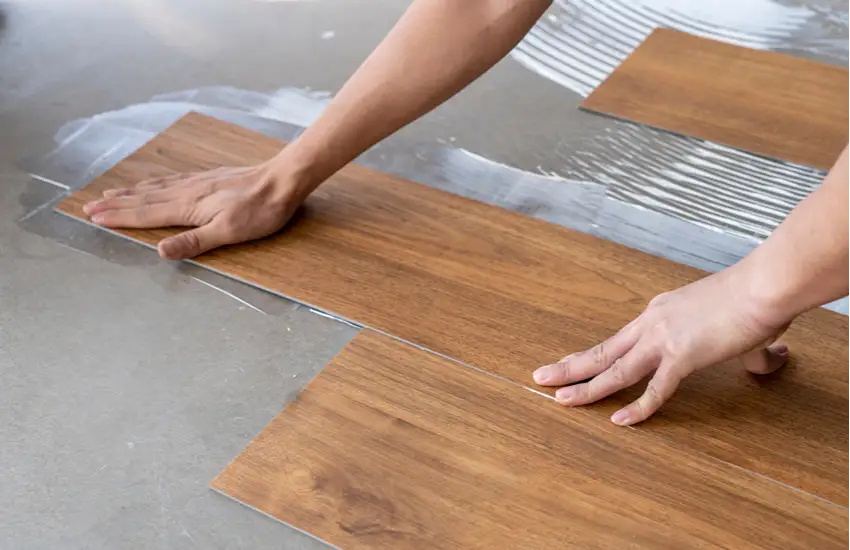
Glue-down vinyl flooring is installed by bonding individual planks or tiles directly to a prepared subfloor using a compatible adhesive. The method is common with dryback LVT and other vinyl products specifically designed for adhesive installation.
Unlike a floating floor, glue-down vinyl does not rely on interlocking edges to hold the flooring together. Its performance depends on the flooring material, adhesive, subfloor preparation, and installation quality.
Advantages of Glue-Down Vinyl Flooring
1. Firm feel underfoot
Because the flooring is bonded directly to the subfloor, it generally feels solid underfoot. It may also produce less hollow sound than some floating-floor systems.
2. Suitable for many commercial interiors
Glue-down vinyl can be a practical choice for offices, shops, showrooms, and other spaces with regular foot traffic, provided the product is rated for the intended use.
3. Lower floor profile
Many glue-down LVT products are relatively thin and do not require a click-lock mechanism. This can help where door clearance or transitions between floor finishes are important.
4. Flexible laying patterns
Adhesive-backed installation allows installers to arrange suitable LVT products in patterns such as herringbone, chevron, and staggered layouts. The chosen product must support the intended design.
5. Individual plank replacement may be possible
A damaged glued plank can sometimes be removed and replaced without dismantling an entire floor. However, the repair requires careful removal of the old adhesive and preparation of the affected area.
Disadvantages of Glue-Down Vinyl Flooring
- Requires careful subfloor preparation: Unevenness, cracks, dust, and moisture issues can affect adhesion and the finished appearance.
- Takes more preparation time: The installer must apply the correct adhesive and follow its application and curing requirements.
- Removal can be difficult: Bonded flooring and leftover adhesive may require considerable work to remove.
- Depends on correct adhesive selection: The adhesive must be compatible with the flooring product, subfloor, and site conditions.
- Installation errors can be costly: Incorrect adhesive application or poor surface preparation can lead to lifting, gaps, or other flooring problems.
Click-Lock vs Glue-Down Vinyl Flooring: Key Differences
| Feature | Click-Lock Vinyl | Glue-Down Vinyl |
|---|---|---|
| Installation | Planks interlock and float | Flooring is bonded to the subfloor |
| Adhesive | Not normally required | Required |
| Installation process | Generally quicker | Requires adhesive application and curing |
| Subfloor preparation | A flat, stable surface is essential | A smooth, stable surface is essential |
| Feel underfoot | Depends on the plank and underlay | Generally firm due to direct bonding |
| Floor height | May be greater due to plank construction or underlay | Often lower with thin LVT products |
| Removal | Usually easier to dismantle | Generally more labour-intensive |
| Repairs | May require removing adjoining rows | Individual tiles or planks may be replaceable |
| Common applications | Homes, apartments, and suitable commercial interiors | Residential and commercial spaces suited to the product |
| Main consideration | Locking system, expansion requirements, and subfloor flatness | Adhesive compatibility, moisture, and surface preparation |
Neither installation method is automatically better for every project. The right option depends on the specific vinyl product and the conditions in which it will be installed.
Which Is Better for Dubai Homes?
For many apartments and villas, click-lock vinyl flooring is a practical choice when the priority is a relatively quick installation with minimal adhesive-related mess. It may also suit renovation projects where you want the option to remove the floor later.
Consider click-lock vinyl for:
- Living rooms and bedrooms
- Apartments and rental properties
- Home offices
- Villa renovations
- Rooms where a floating-floor system is approved
Before installation, check the condition of the existing floor. Uneven tiles, deep grout lines, loose sections, and moisture problems may need attention. The suitability of the existing surface depends on the flooring manufacturer’s requirements.
If you are comparing different materials, explore our vinyl flooring in Dubai options to find a design that suits your interior and installation needs.
Which Is Better for Commercial Spaces?
Glue-down vinyl can be a good option for offices, retail stores, showrooms, and other commercial interiors where a firm, low-profile floor is preferred. The product must be suitable for the expected foot traffic, furniture, and cleaning routine.
Click-lock flooring can also work in commercial spaces when the selected product is rated for the application. However, rolling loads, heavy equipment, room dimensions, and expansion requirements should be considered before choosing a floating system.
For large commercial projects, ask your flooring installer to assess the subfloor and recommend a product and fitting method that match the site’s requirements.
Is Click-Lock or Glue-Down Vinyl More Durable?
Both systems can provide long-lasting performance when the correct product is installed properly. Durability depends on factors such as the wear layer, flooring construction, subfloor condition, traffic level, maintenance, and installation quality.
Click-lock vinyl relies on the integrity of its joints and the stability of the floating floor. An uneven subfloor can put stress on the locking edges.
Glue-down vinyl relies on a secure bond between the flooring, adhesive, and subfloor. Poor adhesion or inadequate surface preparation can cause planks to lift or move.
For either option, compare the manufacturer’s wear rating, warranty, maintenance instructions, and suitability for residential or commercial use rather than judging durability by installation method alone.
Can You Install Click-Lock Vinyl Over Existing Tiles?
Some click-lock vinyl products can be installed over existing tiles if the surface is firm, dry, level, and approved by the manufacturer. Loose tiles, significant height differences, and deep grout lines may need repair or levelling first.
Glue-down vinyl generally requires a smoother surface because imperfections can show through the finished flooring or interfere with adhesive bonding. Existing tiles may need additional preparation before adhesive installation.
If you are unsure which method suits your floor, arrange an assessment before purchasing the material.
What About SPC and LVT Flooring?
SPC and LVT are types of vinyl flooring, but they are not identical products. SPC has a rigid composite core, while LVT refers to luxury vinyl tile or plank products with different constructions.
Both categories may offer click-lock products, while many flexible LVT products are designed for glue-down installation. However, not every product supports both methods.
Never glue a click-lock SPC plank to the subfloor unless the manufacturer explicitly approves adhesive installation. An unsuitable fitting method can affect the locking joints and product warranty.
Read our guide to click-lock vs glue-down SPC flooring for a more specific comparison of rigid-core flooring systems. You can also browse our LVT flooring in Dubai collection to compare click-lock and glue-down options.
How to Choose the Right Vinyl Flooring Installation Method
Before making your decision, consider these five factors.
1. Your Subfloor Condition
Check whether the existing surface is level, dry, stable, and free from damage. Both systems need proper preparation, but glue-down products often require a particularly smooth surface for a neat finish.
2. Your Budget
Compare the total installed cost, not just the price per square metre. Include subfloor preparation, underlay where required, adhesive, labour, transitions, and removal of existing flooring.
3. Your Room’s Usage
Think about foot traffic, furniture movement, rolling chairs, and the type of cleaning the floor will receive. Select a product designed for those conditions.
4. Future Renovation Plans
If you may replace or remove the floor in the future, click-lock vinyl can offer a more straightforward removal process. Glue-down flooring may be more suitable when you prefer a permanently bonded installation.
5. Manufacturer Requirements
Always confirm the permitted installation method, subfloor tolerances, adhesive specifications, expansion requirements, and warranty conditions for your chosen product.
Professional Vinyl Flooring Installation in Dubai
A good installation starts with selecting the right product and preparing the subfloor correctly. Flooring Dubai offers flooring options for residential and commercial projects, including vinyl, SPC, and LVT designs.
Before installation, a flooring professional can assess the surface, take measurements, and help you compare suitable materials and fitting methods. This helps identify potential issues with floor height, transitions, moisture, and subfloor preparation before work begins.
For installation guidance, read our article on how to lay vinyl sheet flooring.
Contact Flooring Dubai to discuss your project and request a quotation for suitable vinyl flooring options.
Final Verdict
Click-lock and glue-down vinyl flooring each have practical advantages. Click-lock flooring is often a good fit for residential projects that benefit from faster installation and easier removal. Glue-down vinyl is worth considering for commercial interiors and other projects where direct bonding and a lower floor profile are priorities.
Compare the product specifications, assess the subfloor, and consider how the room will be used before deciding. If you need help choosing, explore vinyl flooring options in Dubai or contact Flooring Dubai for advice on suitable materials and installation.